
$1,016
Average family spend for one child's primary sport in 2024, according to Project Play.
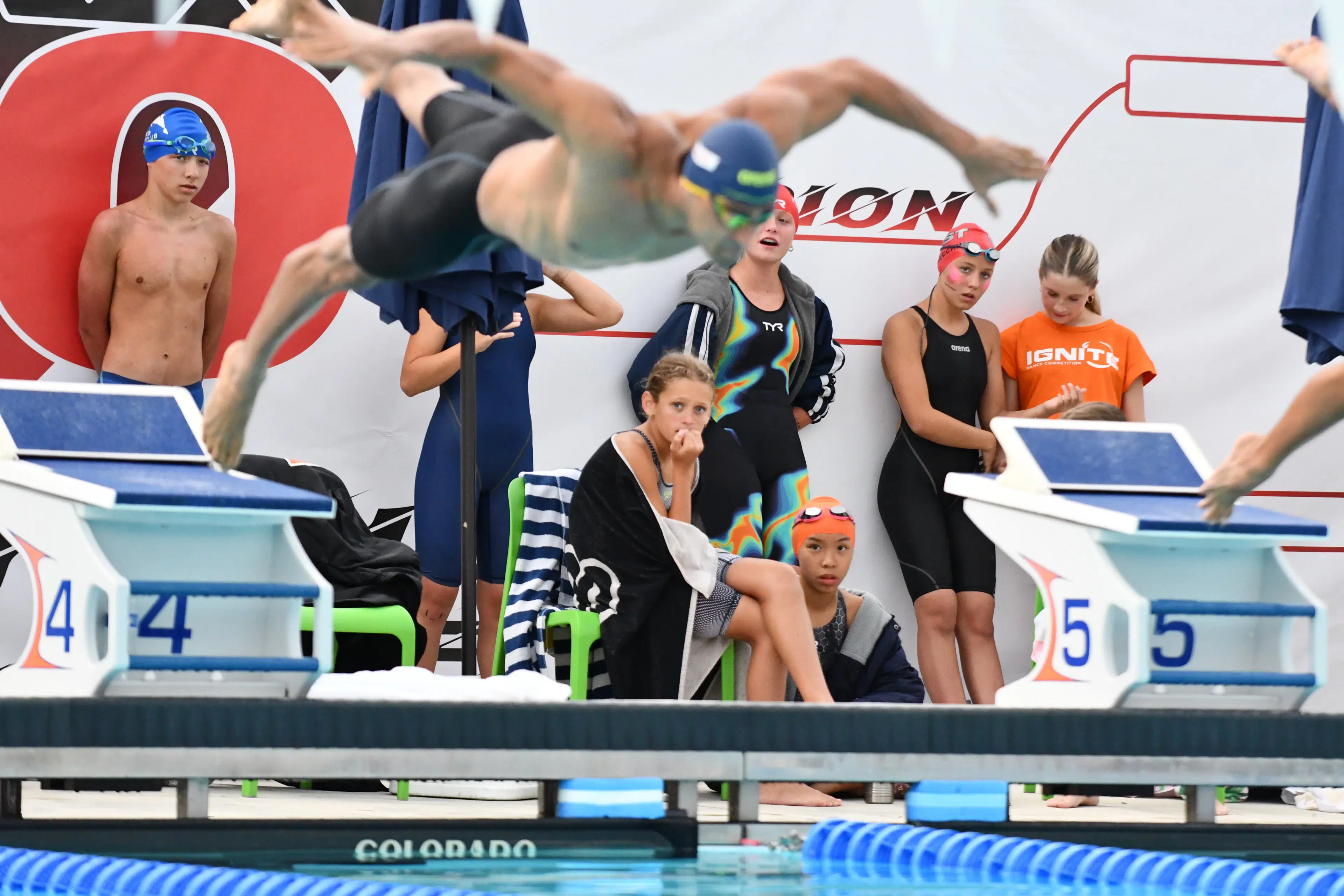
Elite coaching, structured loops, and smart gear — no gym required
Remote academies on Colab Sports give athletes the same structured coaching experience as in-person programs — Smart Coach AI, dual-angle session capture, Loop∞ progression, and a coach who actually reviews your work.
Swimming
Technique, race prep, and session loops
Tennis
Serve, return, and match-flow development
Triathlon
Swim-bike-run planning and execution
Movement
Training, recovery, play, and lifestyle loops
The full coaching stack — AI, video review, progressive training plans, and sport-specific gear — available to any athlete with a connection.
Remote academies on Colab connect coaches and athletes across locations — same rigor, same accountability, no commute required.
Smart Coach reads recovery, strain, and training load to surface the right prescription before your next session.
Recovery
87
Sleep
8.2h
Strain
14.1
trace clips turn movement into coach-reviewed cues, athlete-specific notes, and the next correction inside your training loop.
Smart Loop∞ bundles planning, gear, and add-ons into one repeatable structure that improves with every cycle.
Families already carry travel, facilities, dues, equipment, and time. Remote coaching on Colab is not a replacement for belonging to a team. It is a way to put more of the spend into the work that changes an athlete: clear feedback, better planning, and a coach who can see the pattern.
$1,016
Average family spend for one child's primary sport in 2024, according to Project Play.
Nearly $1,500
Average spend across that child's sports in the same Project Play survey.
Remote
Put more of the budget toward coaching, review, and gear instead of miles and facility overhead.
Cost data from Project Play's 2024 youth sports survey.
The point is not to rush every child toward the same finish line. True long-term athlete development builds physical literacy, protects enjoyment, and keeps the door open to performance, healthspan, and active-for-life participation.
Skill, coordination, confidence, and movement variety come before early specialization pressure.
The work should match the athlete's age, readiness, goals, and season, not a one-size-fits-all plan.
Athletes stay longer when training feels purposeful, social, and worth returning to.
True development protects long-term participation, healthspan, and the joy of being capable.
LTAD frame informed by Sport for Life's long-term development model.
Athletes, families, coaches, and sponsors can raise a hand here. We will review the context and look for the cleanest path: academy access, team support, partner sponsorship, or a direct follow-up.
Cost support
Sponsor fit
Dignified access